On a rainy Tuesday this past January, a new client sat in my chair with a familiar story. She had tried a salon diode device in 2018 and a clinic alexandrite system in 2021, then took a break during lockdowns. Her underarms were 70 percent better, her bikini line less so, and hormonal chin hairs had staged a comeback. She wanted to know if the promises of faster, safer, nearly painless laser hair removal in 2026 were real or just new packaging on the same old machines.
They are not the same. The core physics still hinges on selective photothermolysis, with melanin in the hair shaft absorbing light to disable growth. But the engineering wrapped around that physics has moved in practical ways. Beam profiles are more even. Pulse structures are more nuanced. Cooling is smarter. Tracking and skin monitoring are no longer afterthoughts. Those changes matter to how many sessions you need, how comfortable you feel, and how confident your clinician can be with difficult skin or hair.
What has actually changed
Most professional laser hair removal today falls into three wavelength families. Alexandrite around 755 nm for lighter skin with fine to medium hair, diode from about 800 to 940 nm as a versatile workhorse, and Nd:YAG at 1064 nm for darker skin or deeper follicles. That has not shifted. What has changed is how these wavelengths are packaged and delivered.
Mixed or sequential wavelengths are now mainstream rather than niche. Many advanced laser hair removal machines can fire an alexandrite and diode pulse in quick succession, or alternate diode and Nd:YAG bursts to cover mixed hair depths in one pass. Instead of chasing every hair at its exact anagen phase over six to ten visits, you build redundancy into each session. On the ground, that means fewer missed follicles and tighter intervals between laser hair removal sessions for clients who can tolerate it.
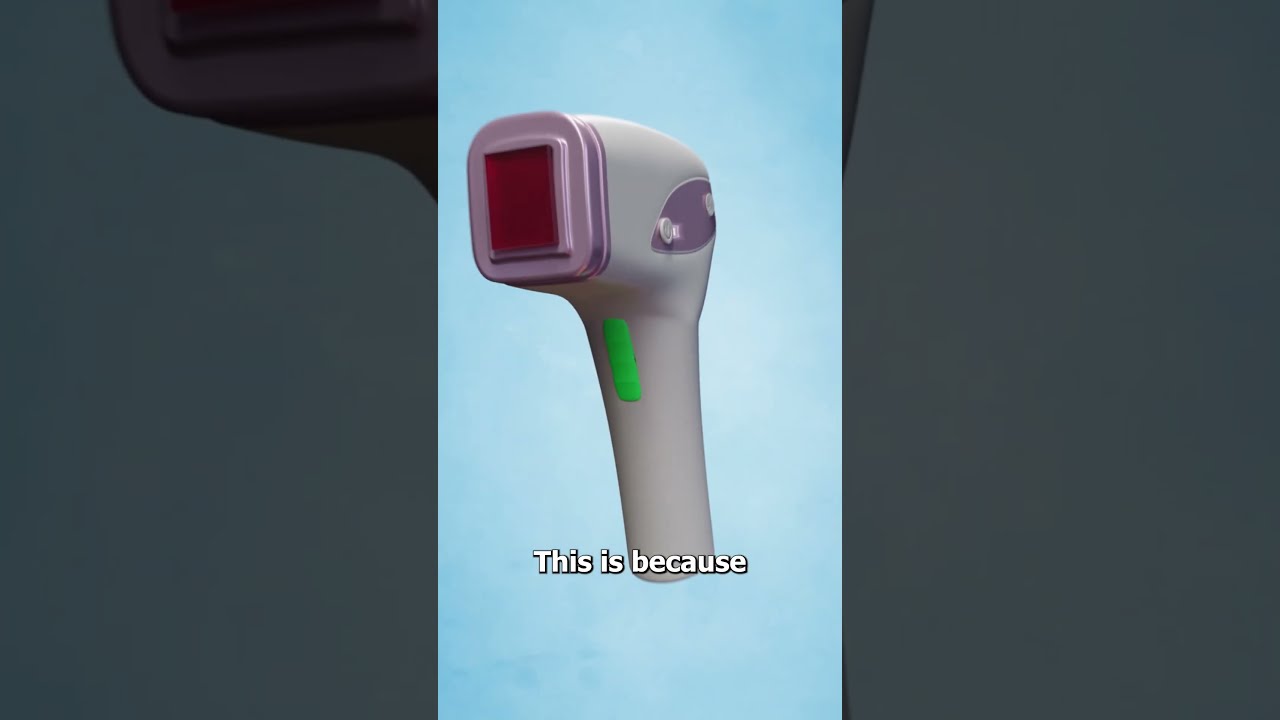
Pulse engineering has matured. Early devices favored single, high energy pulses. Modern systems offer burst modes, variable subpulse trains, and millisecond-level control to spread heat through thicker follicles without heating the epidermis too aggressively. This helps with coarse hair on male backs and chests, and reduces the risk of post inflammatory changes on sensitive or darker skin.
Spot sizes have grown and gotten smarter. A 20 to 30 mm spot is now common on premium diode platforms, with scanning handpieces that map coverage to reduce striping. Larger spots reach deeper due to reduced scatter, which improves efficacy on legs and backs. At the same time, tips designed for tight areas like upper lip laser hair removal and chin laser hair removal include narrower beams with shaped profiles for precision.
Cooling is where clients feel the difference most. Contact sapphire tips draw heat from the skin continuously, while integrated cryogen or chilled air assists blunt the pain spike at the moment of pulse delivery. Vacuum assisted applicators lift the skin slightly so energy is deposited closer to the follicle and further from pain receptors. For many, underarm laser hair removal and bikini laser hair removal now register as a sharp pinch rather than the hot rubber band sensation older systems produced.
Finally, safety software has grown teeth. Smart sensors validate tip temperature, track fluence delivery, and lock out passes when cumulative energy exceeds conservative thresholds for your skin type. While we do not lean on automation, these guardrails matter when we ramp up settings across a full body laser hair removal plan that spans hours.
The enduring basics, refined
Laser hair reduction remains a program, not a single event. Hair must be present in the follicle and preferably in anagen. You still shave, not wax or tweeze, before a laser hair removal appointment. You still avoid tanning and photosensitizing medications. You still plan for multiple visits. What the newer technology does is tighten the variance.
On an average course, I expect 6 to 8 laser hair removal sessions for women treating underarms or lower legs with brown to dark hair on Fitzpatrick I to III skin. Men with back hair often require 8 to 10, because the hair is denser and hormonally driven. For darker skin types III to VI, Nd:YAG heavy protocols often take an extra session or two to reach the same reduction because we must respect epidermal melanin, though modern cooling and pulse stacking close that gap.
We talk now in terms of permanent hair reduction laser outcomes rather than permanent laser hair removal in an absolute sense. With the most diligent plan, 75 to 90 percent long term hair reduction is realistic across many body areas. Some fine, light regrowth or isolated coarse hairs appear over years, especially with hormonal shifts. Maintenance sessions once or twice a year help hold the line.
Skin tones and hair types in 2026
The sharpest improvement since 2020 is consistency across diverse skin. Thanks to optimized 1064 nm delivery, laser hair removal for dark skin is both safer and faster than it used to be. We can run higher fluences with longer pulse widths while keeping the epidermis quiet, especially when paired with strong contact cooling. I still avoid aggressive passes on newly tanned skin, but I do not have to be timid on Fitzpatrick V clients the way I was a decade ago.
Laser hair removal for light skin with fine hair remains tricky on the face and forearms. Alexandrite remains the best laser hair removal tool for finer brown hair, but if the hair lacks pigment, no laser will succeed. If I can barely see the hair against the skin, or if it is peach fuzz, I set expectations early. In those cases, blending laser with dermaplaning or waxing for stragglers may be more honest than overselling a package.
Thick and coarse hair responds beautifully to modern diode. On male shoulders and chests, we often combine diode for density with Nd:YAG passes to chase deeper, more stubborn follicles. For bikini laser hair removal and brazilian laser hair removal, hair caliber is usually favorable. We just pace settings to the client’s comfort and pigment level to avoid pustules or irritation.
Hormonal areas like chin and neck present their own rules. Laser hair removal for women with PCOS can still achieve strong reduction, but we plan for more sessions and occasional touch ups. I prefer slower escalation on pulse energy for the upper lip and chin, with more emphasis on multiple passes per visit. It respects skin sensitivity and reduces post inflammatory hyperpigmentation risk.
Comfort and speed without bravado
Vendors sometimes equate speed with macho claims. In practice, comfort dictates pace. With strong cooling, a 20 to 30 mm spot, and smooth scanning, I can clear two full legs in 45 to 60 minutes at effective settings. Full body laser hair removal across legs, bikini or brazilian, underarms, and either arms or back typically spans 2.5 to 3.5 hours in a single day, or splits into two visits for client comfort.
Painless laser hair removal is more marketing than medicine. Pain is subjective. Most clients rate modern passes a 2 to 4 out of 10 on limbs and a 4 to 6 in sensitive zones. Topical anesthetic creams can help in select areas, but they are not universally needed and can blunt feedback. I would rather adjust fluence and pulse width, fine tune cooling contact, and build tolerance across early sessions. Where topical is used, we document the area, dose, and timing carefully, then stay conservative on session length to avoid overexposure.
Safety features you should actually care about
I pay more attention to three things now than I did five years ago. The handpiece temperature readout, the cumulative energy tracker per area, and the integrity of the skin contact sensor. These are not flashy but they correlate with fewer incidents. For clients with sensitive skin, a reliable pre pulse test pattern matters. I lay down a small grid at planned settings, wait two to three minutes, check for immediate epidermal blanching or wheal, then proceed.
Post care has also evolved. With better cooling, we see less edema, but I still recommend fragrance free best laser hair removal Alpharetta emollients, tepid showers, and an airtight sunscreen plan for any exposed area. Hyperpigmentation risk on the face and neck drops when clients avoid heat exposure and vigorous workouts for 24 hours after face laser hair removal or neck laser hair removal. Small practical behaviors, like wearing looser clothing after groin treatments, still prevent folliculitis as well as any fancy serum.
Where results plateau, and why honesty matters
Every clinic has a client who chases the last 10 percent on the arms or lower abdomen. The follicles left behind after eight well run sessions are often mixed: some are vellus, some are lightly pigmented, some wake cyclically with hormonal tides. If we continue to raise fluence on skin that is done responding, we only increase risk. I mark these cases clearly. We pivot to maintenance laser hair removal therapy every 6 to 12 months, possibly paired with electrolysis for isolated, pigment poor stragglers. It is not defeat. It is physiology.
On male backs, another plateau emerges. After density falls and the field looks clear, random coarse hairs may sprout from dormant follicles. They were not missed. They simply came online late. Here, a two or three session maintenance plan over 18 months usually keeps the canvas even.
The consultation that sets the tone
A proper laser hair removal consultation in 2026 looks different from a fast, free chat in a storefront. Expect a medical history review, medication screen, and a skin typing plus hair caliber assessment under good light. Expect a discussion about realistic laser hair removal results, not a hard sell on a 12 session bundle for every body part.
We now have better photographic documentation practices. Standardized, evenly lit photos for laser hair removal before and after at defined angles cut through memory bias. They are also a safety net. When my client sees a 60 percent reduction by session four rather than just a vague sense of improvement, trust builds and compliance holds.
For sensitive or dark skin, a small scale test a week before the first full session is still wise. We treat a postage stamp sized zone with planned parameters. No reaction by 72 hours means we go ahead. Any lingering erythema or hyperpigmentation tells us to adjust pulse structure, wavelength, or interval.
Building a treatment plan you will complete
Time between visits is not a religion. For underarm laser hair removal, 4 to 6 weeks between early sessions works well, sliding to 6 to 8 weeks as growth slows. Legs and backs prefer 8 to 10 weeks, sometimes 12 as density drops. Face laser hair removal often sits at 4 weeks early on because facial hair cycles faster. The art is watching regrowth rather than saluting a calendar.
Shave 12 to 24 hours before the appointment. Show up with clean, product free skin. Skip self tanner for two weeks Alpharetta GA laser hair removal before and after. For acne prone zones like the back or chest, we often add a simple benzoyl peroxide wash a few times per week between sessions to limit folliculitis.
Women, men, and hormonal patterns
Laser hair removal for women clusters around underarms, legs, bikini or brazilian, and facial areas like upper lip and chin. Cycles and pregnancies influence hair behavior. We avoid treatment during pregnancy out of caution. Postpartum, we reassess. Breastfeeding itself is not a strict contraindication for non facial areas when we skip anesthetic creams, but counseling is individualized.
Laser hair removal for men centers on back, chest, shoulders, neck, and sometimes beard shaping. Terminal hair density runs higher. Growth pushes with testosterone. Plans stretch longer and fluences often run higher, though modern cooling closes the comfort gap. For a male back and shoulders, a realistic plan is 8 to 10 sessions over 14 to 20 months, with the patience to ride out late emerging follicles. For chest laser hair removal, watch for ingrowns if the client shaves between visits. A gentle exfoliation routine and breathable fabrics make a visible difference.
Area by area, what I set as expectations
Underarm laser hair removal responds fast. Clients often see a 40 to 60 percent drop by the third session, with odor reduction as a bonus because fewer hairs trap bacteria. Bikini laser hair removal and brazilian laser hair removal achieve some of the highest satisfaction rates. I budget 6 to 8 sessions, add topical if needed, and encourage breathable underwear for a day or two afterward. Legs, especially lower legs, are straightforward with modern diode and large spot alexandrite. Streaking used to plague results. Smart scanning tips have nearly solved it.
Face laser hair removal is satisfying when hair is pigmented and coarse. Upper lip and chin laser hair removal require precise pulse structure, mindful cooling, and honest talk about hormonal drivers. Back laser hair removal is the slow burn. Chest and stomach laser hair removal sit between, with a caution about nipples and areolae where we shield or reduce energy for safety. Arm laser hair removal tends to reduce well but can leave faint fair hairs that lasers will not touch.
Cost, packages, and the new math of value
Laser hair removal pricing varies by region, but the shape of the math has changed. Because modern devices clear faster per pass and waste less time with re overlapping, professional laser hair removal can be sold in smaller, targeted packages without hidden upsells. In my market, underarms as a single area range 60 to 120 USD per session in a credible laser hair removal clinic, with package deals bringing that down. Full legs might be 220 to 450 per session depending on size and device. A full body day sits anywhere from 800 to 1,800 USD for a multi area plan on advanced laser hair removal platforms.
Affordable laser hair removal does not mean bargain basement. It means transparent laser hair removal cost with realistic endpoints. Beware of unlimited session promises at ultra low sticker prices. Unlimited often hides a cap in fine print or encourages rushed, low energy passes. A crisp, data driven laser hair removal treatment plan that sets 6 to 8 sessions with defined settings and photo documentation offers better value.
Membership models have matured. A monthly package that includes scheduled visits, priority booking, and discounted touch ups can be fair if you treat multiple areas. If you only need underarms and a small face zone, à la carte may be better. Maintenance sessions priced reasonably keep clients loyal and results stable.
How to choose a clinic without wasting months
- Ask which wavelengths they use and on which skin types. Look for diode, alexandrite, and Nd:YAG capability or clear referral pathways. Request sample parameter ranges for your skin and hair. A professional will speak in joules, milliseconds, and spot size without hedging. Confirm cooling method and post care protocol. You want consistent contact cooling plus a sensible aftercare plan. Look at real, standardized laser hair removal before and after photos of your body area and skin tone. Ask who performs the laser hair removal procedure, their training, and whether a medical professional oversees protocols.
This is your one allowed checklist in this article, and it can save you from shopping on price alone. A skilled laser hair removal specialist or laser hair removal technician with the right machine matters more than the logo on the door.
Wavelength choices, simplified
- Alexandrite 755 nm: lighter skin I to III, fine to medium hair, fast on legs and arms. Diode 800 to 940 nm: versatile across I to IV, great for coarse hair, strong on legs, backs, and chest. Nd:YAG 1064 nm: safer for darker skin IV to VI, deeper follicles, good for male backs and ingrown prone zones.
Clinics with blended or sequential delivery can mix these to fit mixed hair fields, like a fair skinned client with tanned calves or a darker skinned client with variable hair depths on the neck.
What a typical day in clinic looks like now
On a Thursday block I might see a woman for underarm and brazilian laser hair removal, then a man for back and shoulders, then a consultation for face laser hair removal in a client with PCOS. We start the day with a quick equipment checklist. Tip integrity, cooling temperature at spec, and software logs cleared. For each client, we review last visit parameters and response. I mark treatment zones with a skin pencil, sometimes gridding large areas loosely to ensure even coverage with the scanning tip. First pass lays the field. Second pass targets skip zones or stubborn hair lines, often with a slight tweak in pulse width rather than raw energy.
We photograph at predictable intervals. We never rush cooling. If someone tenses in the groin, we pause, coach breathing, and go slower rather than pushing through. Small behaviors stack up to better laser hair removal results without drama.
When to delay or avoid treatment
Recent sun exposure that darkened the skin by even one or two shades is a compelling reason to delay, especially on the face, neck, or chest. Photosensitizing drugs like certain antibiotics or isotretinoin warrant a careful timeline plan. Active infections in the area, uncontrolled eczema or psoriasis flares, and open wounds are hard stops. Pregnancy is a conservative no for cosmetic laser hair removal in most clinics, even though the energy remains superficial. Those rules have not softened in 2026, and they protect you.
My short answers to questions I hear weekly
Clients often ask whether laser hair removal near me at a spa is as good as medical laser hair removal in a dermatology clinic. The line has blurred. Plenty of cosmetic clinics run hospital grade devices with medical oversight. Vet the practice, not the label. Another question is whether a laser hair removal machine treatment at home is worth it. Home devices help with maintenance on small, pale skinned, dark haired zones, but they cannot match clinic fluences or spot sizes. They are adjuncts, not replacements.
People ask if laser hair removal for sensitive skin is safe. With modern cooling, refined pulse structures, and a careful patch test, yes. For clients prone to keloids, we tread cautiously, especially on the chest. They ask if laser hair reduction treatment works on gray or blond hair. No device on the market reliably disables non pigmented follicles. If your hair is largely gray, consider electrolysis.
And the evergreen question: how long will I stay smooth? For most, the peak smooth window lasts months after the final protocol session, then small survivors creep back in slow motion. With laser hair removal maintenance sessions once or twice a year, many clients maintain a 70 to 90 percent reduction over the long term. The clients who stay happiest keep expectations rooted in biology and chip away at upkeep rather than expecting a one and done solution.
The view from the chair in 2026
As a practitioner who has seen the field since the era of tiny spots and shrill air hoses, I can say the 2026 experience is more predictable, more comfortable, and more inclusive. Laser hair removal technology has matured past sizzle into useful refinements that shorten appointments, reduce post treatment irritation, and extend safe options to more skin types.
If you are assembling a plan, start with a frank evaluation of your hair color, caliber, and hormones, then match a clinic with the right wavelengths, cooling, and expertise. Choose laser hair removal packages that respect your body’s timeline rather than promise miracles in three visits. Keep aftercare simple and strict. Document progress with photos. Expect to be surprised by how good modern passes feel compared to the old days, and do not be shy about speaking up if a setting feels off.
There is no magic. There is better engineering, tighter protocols, and clinicians who have learned where to push and where to hold back. Put those together, and laser hair removal as a cosmetic and dermatology procedure in 2026 delivers what clients wanted all along, honest, long lasting hair reduction with fewer trade offs.